Global Diesel Prices: Why Your Fuel Costs Differ Worldwide
Have you ever wondered why filling up your diesel tank in one country costs significantly more – or less – than in another, even for the same amount of fuel? It's a common observation that sparks curiosity and often frustration for consumers and businesses alike. While international markets provide a baseline for petroleum products, the retail
diesel price at the pump is a complex tapestry woven from global economics, national policies, and local logistics. Understanding these intricate layers is key to comprehending the vast disparities in
fuel costs worldwide.
The Global Landscape of Diesel Costs: A Snapshot
Recent data indicates a substantial global average
diesel price, yet this figure masks truly astonishing variations from one nation to the next. For instance, as of early March 2026, the global average hovered around $1.34 U.S. Dollar per liter. However, this average is a statistical midpoint, not a reflection of what most people actually pay.
A general trend often observed is that economically richer countries tend to have higher
diesel prices, while poorer countries and those that are significant oil producers or exporters often boast significantly lower rates. This seems counter-intuitive at first glance – wouldn't wealthier nations have more competitive markets? The answer lies primarily in the varying approaches to taxation and subsidies.
Interestingly, the United States stands out as a notable exception to this rule. Despite being one of the world's most economically advanced nations, its average
diesel price often remains comparatively lower than in many other developed countries, particularly in Europe. This unique position is largely attributable to different tax structures, robust domestic refining capacity, and specific energy policies. For a detailed look at how prices fluctuate within the U.S., you can explore
US Diesel Prices Today: Compare Averages Across All 50 States. This internal variation within a single country further underscores the numerous factors at play.
Decoding the Disparity: Key Factors Influencing Diesel Prices
While every country accesses the same international petroleum markets, the final retail
diesel fuel price is shaped by a confluence of domestic factors.
Taxation and Subsidies: The Primary Drivers
The most significant differentiator in global
diesel prices is undoubtedly government policy regarding taxes and subsidies. All nations acquire petroleum at global market rates, but then apply their own fiscal adjustments:
- Taxes: These can include excise taxes, value-added tax (VAT) or sales tax, carbon taxes, and road usage fees. Countries in Europe, for example, frequently impose higher environmental and fuel taxes to discourage consumption, fund public services, or promote cleaner energy alternatives, leading to substantially higher pump prices. These taxes contribute to infrastructure maintenance, public transport, and environmental initiatives.
- Subsidies: Conversely, some governments choose to subsidize diesel fuel to keep prices artificially low. This is often done to support vital sectors like agriculture, freight transportation, or to ease the cost of living for citizens, especially in developing economies or oil-producing nations where energy costs are seen as a social right. While beneficial for consumers in the short term, heavy subsidies can strain national budgets and sometimes lead to inefficient energy use.
These policy decisions alone can create price differences of over 100% between countries.
International Market Dynamics and Crude Oil
Before any taxes or subsidies are applied, the base cost of
diesel fuel is dictated by the international price of crude oil and the global market for refined products.
- Global Crude Oil Prices: Influenced by supply and demand, geopolitical events, OPEC+ decisions, and economic forecasts, crude oil prices form the foundation. Since diesel is a middle distillate product of crude oil refining, its price is directly tied to crude movements.
- Refining Margins: The cost to refine crude oil into diesel also plays a role. Refining capacity, complexity, and the specific type of crude oil available can all affect the efficiency and cost of production.
- Global Demand for Middle Distillates: Seasonal demand (e.g., for heating oil in winter, or agricultural activity), industrial output, and global trade volumes all impact the demand for diesel, influencing its spot price on international markets.
Understanding these broader trends is crucial for forecasting future fuel costs, as explored in articles like
Diesel Market Trends: What Global Shifts Mean for Fuel Prices.
Refining, Distribution, and Local Logistics
Once refined, diesel needs to reach the consumer. The costs associated with this journey vary greatly:
- Transportation Infrastructure: The efficiency and cost of transporting diesel from refineries to distribution hubs and then to individual gas stations (via pipelines, rail, trucks, or ships) contribute to the final price. Landlocked countries or regions with poor infrastructure often incur higher logistical costs.
- Storage Facilities: Maintaining strategic reserves and adequate storage capacity also adds to the operational cost.
- Local Market Competition: The level of competition among fuel retailers within a specific region can influence margins and pricing strategies.
Currency Exchange Rates and Economic Strength
Crude oil and most refined petroleum products are traded in U.S. Dollars. For countries that import these products, the strength of their local currency against the USD directly impacts the cost of acquisition. If a local currency weakens, it takes more local currency to buy the same amount of USD-priced oil, driving up domestic
diesel prices even if the international USD price of oil remains stable. A robust national economy often supports a stronger currency, helping to mitigate imported fuel cost inflation.
Government Regulation and Price Controls
Some governments actively regulate fuel markets, setting fixed prices or limits on how much prices can change. This often means prices are updated less frequently (e.g., monthly) compared to freely floating markets (e.g., weekly updates based on real-time market data). While intended to stabilize prices for consumers, such regulations can sometimes disconnect local prices from global realities, leading to supply challenges or unintended market distortions if domestic prices lag significantly behind international benchmarks.
Navigating Volatility: Recent Trends and Future Outlook
The dynamic nature of global energy markets ensures that
diesel prices are rarely static. Recent events highlight the inherent volatility and the challenges faced by both governments and consumers. For example, reports of national oil companies like Petrobras in Brazil planning to hike
diesel prices and even limiting sales illustrate the strain when domestic prices significantly lag behind global market rates. Such scenarios can lead to supply shortages, as it becomes uneconomical for distributors to import or sell fuel at government-mandated lower prices.
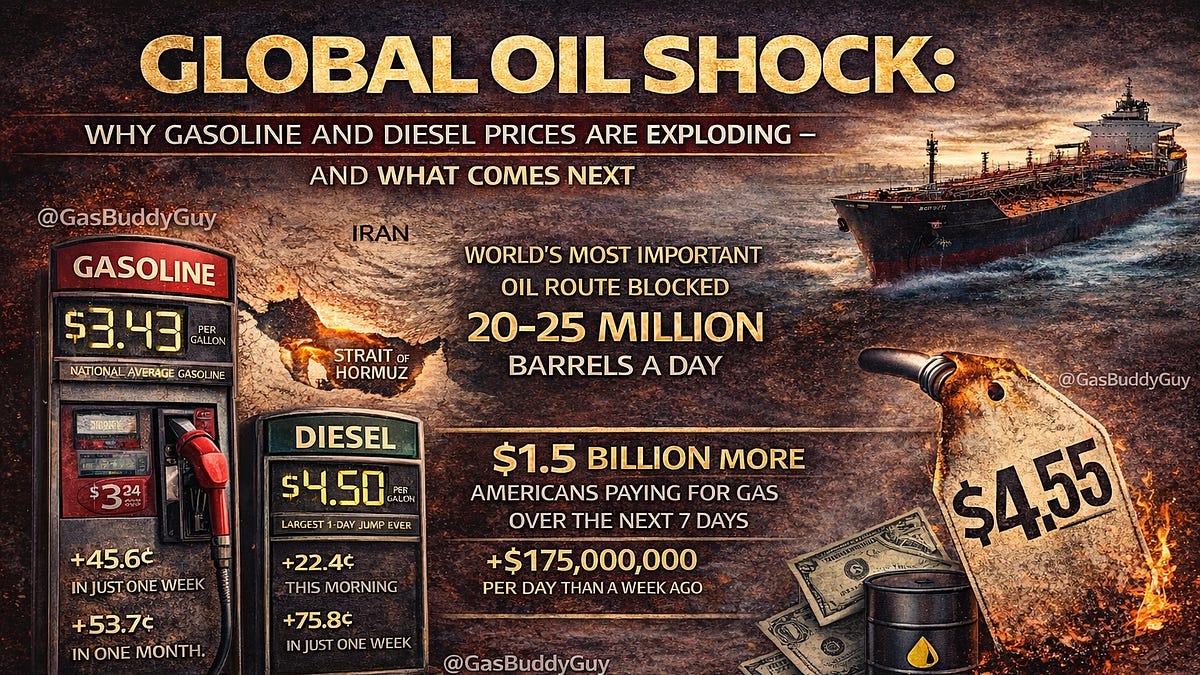
Globally, a tightening oil market, driven by factors such as geopolitical instability, recovering demand, and strategic supply management, inevitably pushes up crude oil costs. This, in turn, translates to higher refined product prices, including diesel. News of "refinery windfalls" and energy ETFs gaining amid soaring
diesel prices points to periods where refining margins are strong due to robust demand for middle distillates, signaling increased profits for the energy sector.
For consumers and businesses, understanding these trends is vital. Practical tips for managing fluctuating
diesel costs include:
- Optimizing Routes: For fleets and individual drivers, efficient route planning can significantly reduce fuel consumption.
- Maintaining Vehicles: Regular maintenance, including tire pressure checks and engine tune-ups, ensures optimal fuel efficiency.
- Adopting Fuel-Efficient Driving Habits: Smooth acceleration and braking, and maintaining consistent speeds, can save substantial amounts of fuel.
- Monitoring Market Trends: For businesses, staying informed about global oil prices and market forecasts can aid in procurement decisions and budgeting.
- Exploring Alternatives: For some industries, investigating alternative fuels or technologies over the long term can offer insulation from diesel price volatility.
Conclusion
The cost of
diesel fuel at the pump is far more than just the price of crude oil. It's a multifaceted equation influenced by everything from international supply and demand and geopolitical events to national tax policies, subsidies, currency values, and the efficiency of local distribution networks. While global markets set a common foundation, it is the unique blend of domestic regulations and economic conditions that ultimately determines why your fuel costs differ so wildly across the globe. For consumers and businesses alike, appreciating this intricate interplay is essential for navigating the ever-changing landscape of global energy prices.